“All Their News,
Made Fit to Print”

Byadmin
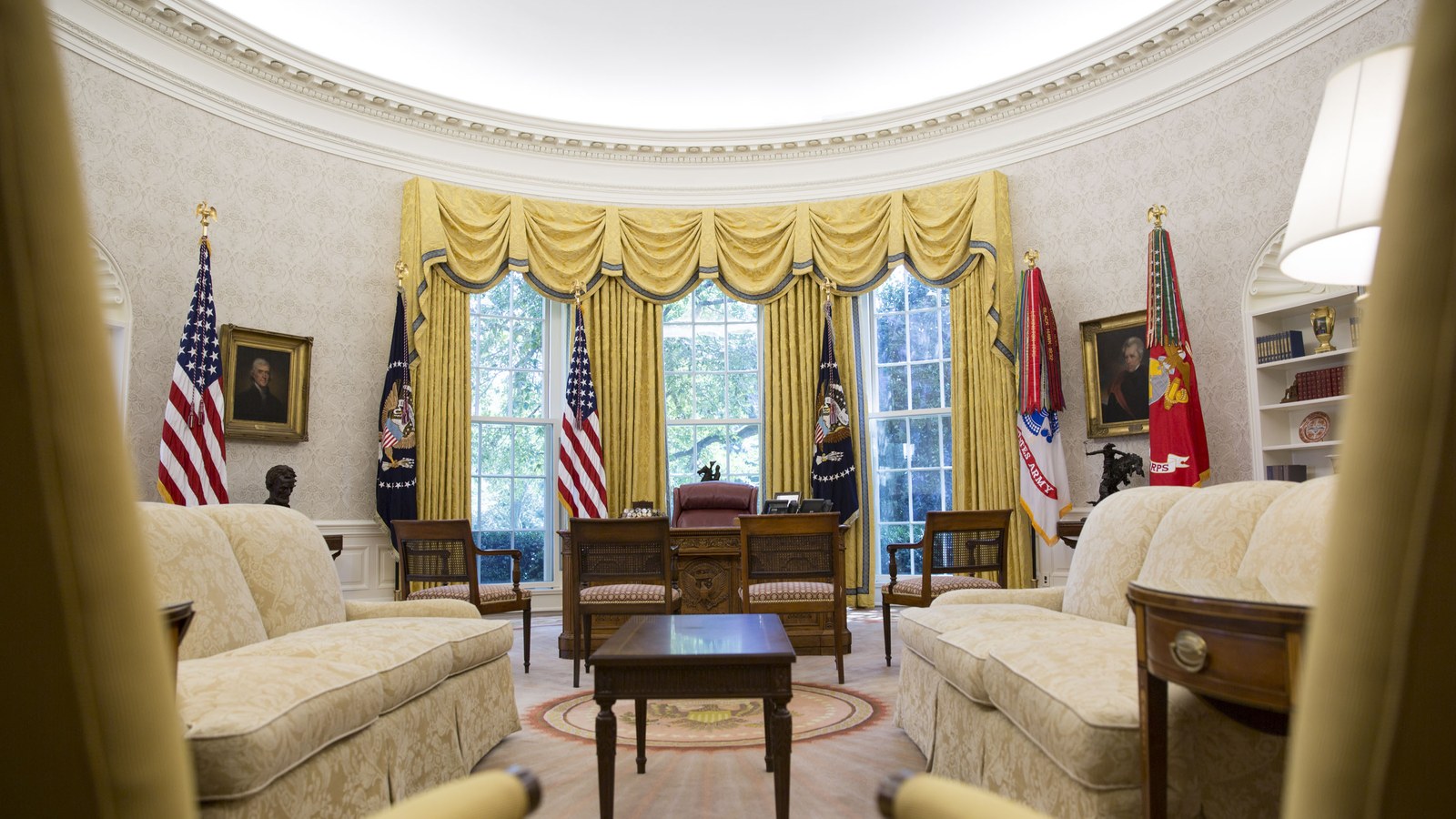
Trump proclaims the Oval Office a national monument; the order still allows redecoration
Of 61 headlines, 28 framed the order as preventing future presidents from changing the Oval Office. 3 noted that future presidents can still redecorate.
Trump proclaims the Oval Office a national monument; the order still allows redecoration
Created: 2026-11-06T06:55:24-05:00 (America/New_York)
Last updated: 2026-11-06T06:55:24-05:00 (America/New_York)
Of 61 headlines, 28 framed the order as preventing future presidents from changing the Oval Office. 3 noted that future presidents can still redecorate.
The short version
Trump’s Nov. 5 proclamation makes the Oval Office, Outer Oval Office and Cabinet Room a national monument, protecting significant structural and architectural features. It expressly allows future presidents to redecorate, choose furnishings and make ordinary operational or security changes; a successor can also revise or revoke the proclamation.
That distinction largely disappeared in the headlines. Of 61 counted here, 28 framed the action as preventing or restricting future changes, while just three noted limits or the continuing right to redecorate. The order creates a review process for substantial alterations, not a blanket freeze on Trump’s décor. Reading its actual terms changes the story those headlines tell.
On Nov. 5 — his first formal post-midterm action — President Trump signed an Antiquities Act proclamation establishing the “Oval Office National Monument,” covering the Oval Office, Outer Oval Office and Cabinet Room (White House proclamation; AP). He said the step would keep future presidents from altering the rooms. The proclamation’s own text says otherwise on décor.
What the record shows
- What the proclamation does: It directs the Interior Department, through the National Park Service, to manage the rooms as a monument, document review before substantial alteration or demolition, and protect “structural and significant architectural features” (White House proclamation, Nov. 5).
- What it expressly does not do: “Nothing in this proclamation shall be construed to restrict the President’s authority to redecorate the monument, select furnishings, or make ordinary operational and security modifications that do not substantially impair the monument’s historic structure or architectural character.” A future president can also revoke or revise an Antiquities Act proclamation (White House text; AP).
- Trump’s framing: He presented the order as locking in changes so nobody can “touch” or “destroy” the rooms; many headlines echoed “prevent future presidents from changing” the Oval Office (BBC; CNN; UPI).
- Context that cuts toward the lock-in reading: Review before substantial alteration is real process. Politico headlined it as his “first post-election executive action: Preserving his Oval Office changes.” The rooms have been redecorated with prominent gold finishes in this term.
- Context that cuts the other way: AP’s own headline said future presidents can still redecorate. The White House text carves out décor, furnishings and ordinary changes. Furniture and paint are not monument fabric under the order as written.
How we counted: Google News search for the Oval Office national-monument proclamation, Nov. 5–6, duplicates removed. That gave 61 headlines. 28 used prevent, bar, restrict, lock or protect renovations; 11 mentioned gold, décor or renovations; 8 named the Cabinet Room; 3 noted limits, “can still redecorate,” or that décor is not protected; 3 cast it as a first post-election or post-defeat action.
The elevation choice is the story: a décor-and-architecture proclamation led national coverage the day after a midterm loss, usually as a power move to freeze Trump’s renovations. Readers who saw only those headlines would not know that the order itself preserves a future president’s right to redecorate.
What questions the legacy media missed
- What does the text actually lock? Most headlines said “prevent changes.” The operative limit is on substantial alteration of structure and architecture, not curtains and paint. Few stories quoted the redecoration carve-out.
- Can a successor undo it? Antiquities Act proclamations are presidential. Whether and how a future president would revoke this one is TBD in most coverage.
- Why lead with this after the midterms? Politico and others noted the sequencing. Whether that is vanity, legacy-building or a distraction is a fair question; few outlets held the text and the sequencing in the same frame.
- How does this relate to the arch and ballroom fights? A separate triumphal-arch project drew its own court order the same week. National coverage often treated them as separate vanity items rather than one White House physical-legacy push.
Primary sources
- White House (Nov. 5): Establishment of the Oval Office National Monument
- White House fact sheet
- AP: future presidents can still redecorate
How outlets framed it
Outlet headlines from today’s scout and searches — their words, not ours.
- BBC: “Trump signs order to prevent future presidents from changing Oval Office”
- The New York Times: “Trump Moves to Make Oval Office a National Monument”
- The Washington Post: “Trump wants Oval Office declared a national monument”
- Politico: “Trump’s first post-election executive action: Preserving his Oval Office changes”
- The Guardian: “Trump signs proclamation to try to prevent changes to gold-covered Oval Office”
- CBS News: “Trump signs proclamation declaring Oval Office a national monument”
- CNN: “Trump says he’s declaring Oval Office and Cabinet Room national landmarks to prevent future changes”
- The Hill: “Trump signs proclamation making Oval Office, Cabinet Room national monument”
- ABC News: “Trump moves to make Oval Office a national monument aiming to prevent future major changes”
- Reuters: “Trump says Oval Office to become national monument”
- USA Today: “Trump takes executive action to prevent changes to Oval Office”
- AP: “Trump makes the Oval Office a national monument. But future presidents can still redecorate”