Federal judge rules DOJ’s firing of prosecutor Maurene Comey unlawful
Created: 2026-10-27T07:00:00-04:00 (America/New_York)
Last updated: 2026-10-28T05:45:00-04:00 (America/New_York)
In July 2025, the Trump Justice Department terminated Assistant U.S. Attorney Maurene Comey. U.S. District Judge Jesse M. Furman (S.D.N.Y.) ruled on Oct. 26 that the DOJ violated federal civil-service law and the separation of powers, and ordered retroactive reinstatement with back pay. One week before the midterms, the mainstream media is overwhelmingly framing this as a total defeat for the Trump Administration, but fails to balance its coverage with legitimate questions or skepticism of the SDNY judge’s ruling.
What we can learn from primary-oriented reading
- Bottom line: One district judge — Furman, alone — held that Comey’s July 16, 2025 firing was unlawful. He ordered her reinstated retroactively and paid from the firing date through Dec. 20, 2025, when she took another job. This is a trial-court ruling. DOJ says it will appeal once a final judgment is entered.
- What DOJ argued: The Attorney General can remove an AUSA under 28 U.S.C. § 542(b), and Article II gives the President — through the AG — power to fire federal prosecutors who exercise executive power, without the usual civil-service “for cause” limits. DOJ also claimed the firing somehow counted as an “efficiency of the service” determination. Furman called that second argument close to frivolous.
- What the court held: Congress limited how inferior officers like AUSAs may be removed. The Civil Service Reform Act requires cause, notice, and a chance to respond. Comey got none of that — just an email citing “Article II.” Furman said the government’s Article II theory would upend nearly two centuries of Supreme Court precedent that a trial court must follow until the Supreme Court says otherwise. He also found separation-of-powers, APA, and due-process violations.
- What he did not decide: He reserved Comey’s First Amendment claim — that she was fired for being James Comey’s daughter or for perceived politics. The win rests on civil-service procedure and constitutional structure, not a finding that Trump’s motive was proven. There was no jury and no full trial; this was judgment on the pleadings.
- What else the opinion establishes: Comey spent nearly a decade as an SDNY criminal AUSA with strong reviews. DOJ conceded the firing was not for cause and not based on performance. Her work on high-profile cases (Epstein/Maxwell, Combs) is background, not the legal holding.
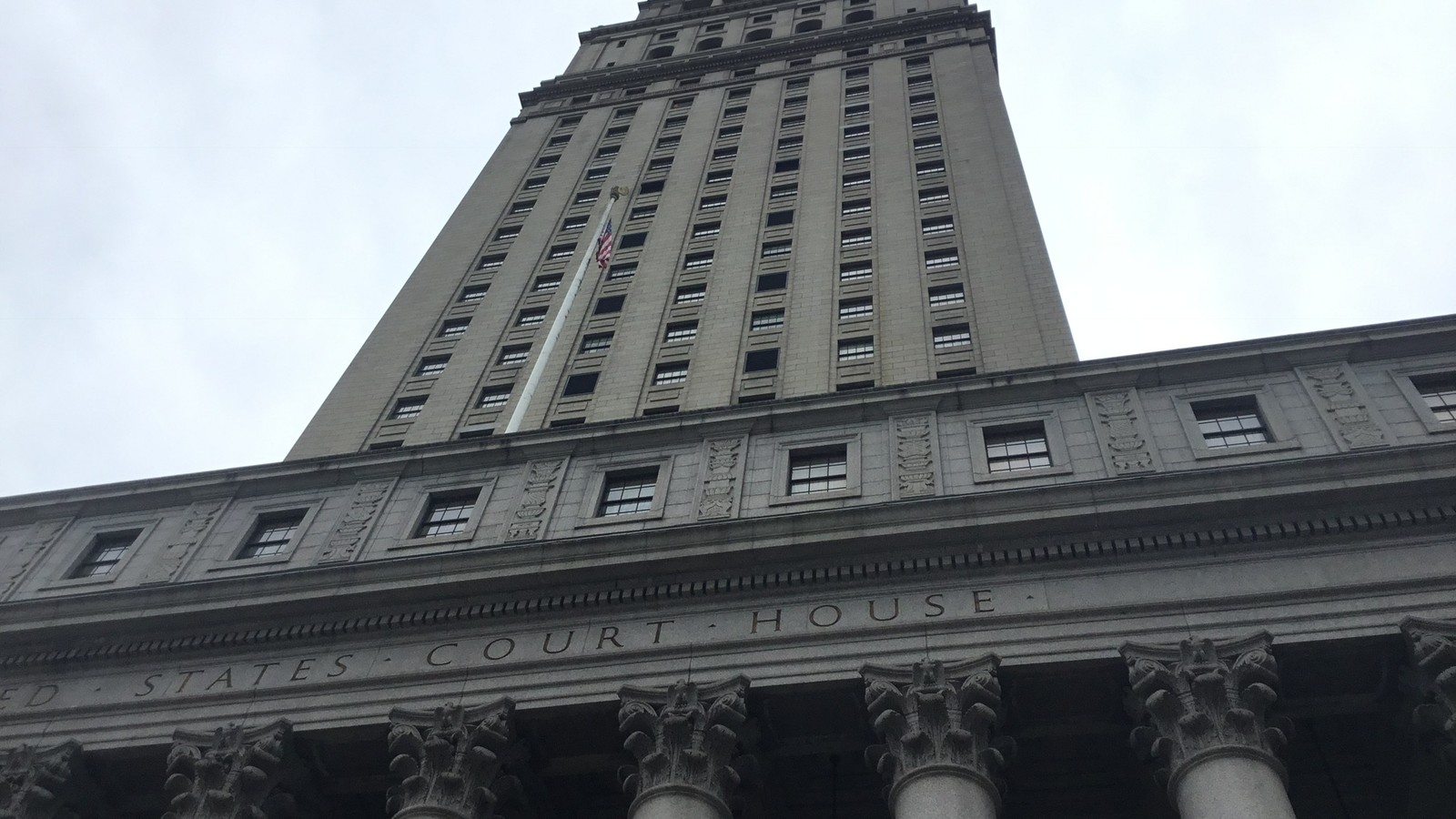
- Where this was decided: U.S. District Court for the Southern District of New York. The Opinion and Order is dated Oct. 26, 2026.
What questions the legacy media missed
A week before the midterms, mainstream coverage is selling a simple story: Trump broke the law by firing Maurene Comey. Here are the questions that story leaves out.
- Who is the judge? Jesse M. Furman is an Obama appointee (nominated 2011, confirmed 2012). He is a former SDNY AUSA and later worked in the Justice Department under Attorney General Michael Mukasey and in the Holder-era orbit before taking the bench (Federal Judicial Center biography). When a ruling hurts Trump, that résumé usually stays buried. When the appointee’s party cuts the other way, it often leads the story.
- What’s Furman’s record on Trump-era executive power? He blocked the first Trump administration’s census citizenship question, tore into DHS over Trusted Traveler litigation, and more recently enjoined Trump-era efforts aimed at ICC-related advocacy. That history does not decide this case. It does tell you something about the Manhattan forum writing the “final” word mainstream coverage is amplifying.
- What’s the administration’s actual legal theory? Federal prosecutors wield core executive power, so civil-service “for cause” limits cannot constitutionally handcuff removal. That is a live constitutional fight — separate from anyone’s motive toward James Comey. Most mainstream coverage skips the Article II stakes and jumps straight to revenge.
- Did Furman find political retaliation? No. He parked the First Amendment claim. The record in this order is narrower: no cause, no process, and a CSRA / separation-of-powers loss for DOJ. Headlines that imply a proven “fired for her father” holding go beyond what he decided.
- Is this an uneven application of civil-service norms across administrations? Watch what happens when the politics flip. In 2017, when Trump’s DOJ asked remaining Obama-era U.S. Attorneys to resign, mainstream coverage leaned hard into “abrupt” and “controversy.” In 2021, when Biden’s DOJ asked remaining Trump-era U.S. Attorneys to resign, the same basic transition move was mostly narrated as routine. While that is not a direct legal equivalent to firing a career AUSA without civil-service process, the pattern is clear: the mainstream media advocates for its side instead of an objective search for the truth about executive-branch power and its limits.
- How final is “unlawful” in the headlines? Outlets lead with “unlawfully fired,” “illegally fired,” and “sharp rebuke.” Less often do they lead with the rest: one trial judge, an announced DOJ appeal, and back pay that stops at Dec. 20, 2025. Definitive language up front; the open appellate path in the fine print — or missing.
Primary sources
How outlets framed it
Outlet headlines from today’s scout — their words, not ours.
- NYT: “Trump Administration Unlawfully Fired Maurene Comey, Judge Rules”
- WaPo: “DOJ unlawfully fired Maurene Comey, daughter of former FBI director, judge rules”
- Reuters: “Trump administration’s firing of prosecutor Maurene Comey was unlawful, judge rules”
- NBC: “Judge orders DOJ to reinstate former federal prosecutor Maurene Comey, daughter of ex-FBI director”
- WSJ: “Judge Finds Maurene Comey Was Fired Unlawfully From Prosecutor’s Office”
- AP: Emphasized “daughter of ex-FBI director” and a “sharp rebuke” of Trump’s removal authority — little on the forum or the announced appeal.

 Byadmin