Grand jury declines to indict former Trump aide Cassidy Hutchinson, sources say
Created: 2026-10-28T06:43:00-04:00 (America/New_York) Last updated: 2026-10-28T06:43:00-04:00 (America/New_York)
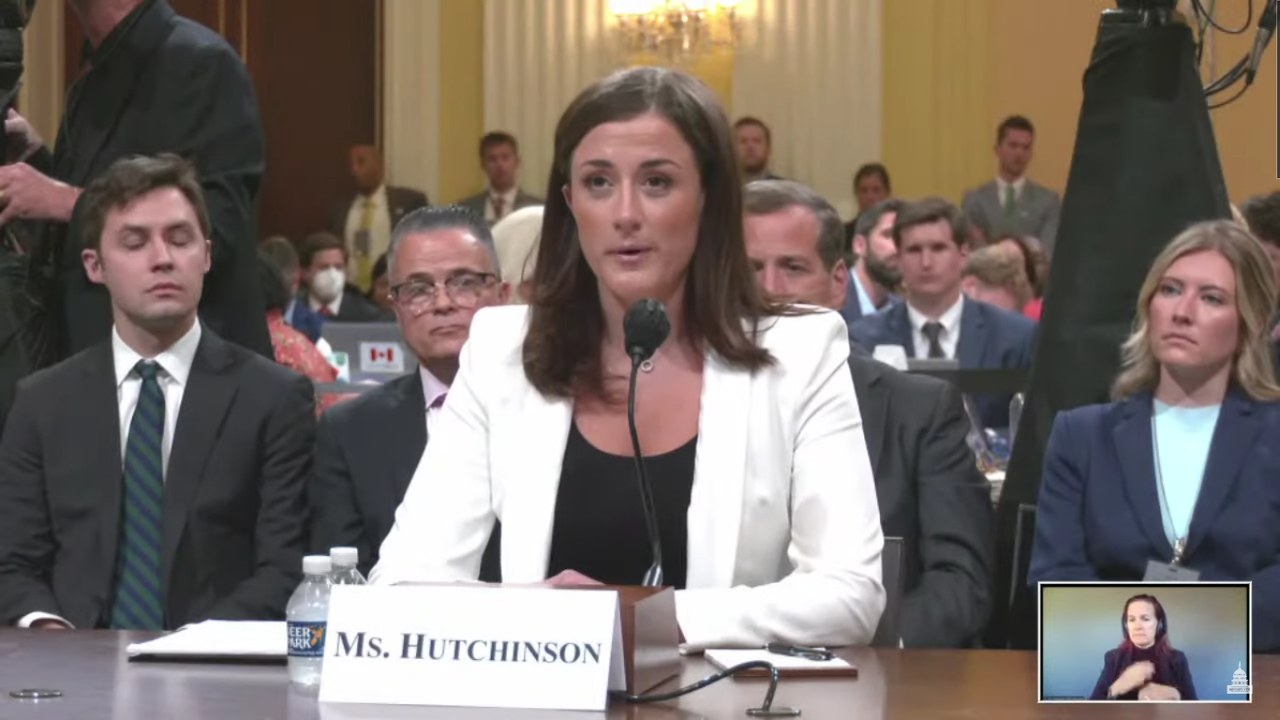
Cassidy Hutchinson testifies before the House Jan. 6 select committee, June 28, 2022. Still from the committee’s public hearing video (public domain, via Wikimedia Commons).
A federal grand jury in Washington, D.C., declined to indict Cassidy Hutchinson, the former aide to White House chief of staff Mark Meadows whose June 2022 testimony was a centerpiece of the House Jan. 6 committee. The decision — a “no bill” — was relayed in court on Oct. 27 without naming the defendant; outlets identified Hutchinson through anonymous officials and people familiar with the matter. Coverage converged on one storyline: the Justice Department “fails” or is “rejected” in another effort against a Trump critic. That may prove right. But the public record behind the case is thin: no charging document, no named statute, and no description of the alleged false statement have been released.
What we can learn from primary-oriented reading
Bottom line: A grand jury did not vote to indict. A no bill ends this attempt but does not legally bar prosecutors from presenting the case again.
What was said in court: CBS reported that Justice Department litigator Neville Hedley told U.S. Magistrate Judge Zia Faruqui the grand jury had not concurred with a proposed charge. The defendant was not named in open court.
Who brought it: NBC reported the matter was handled by the Civil Rights Division, led by Assistant Attorney General Harmeet Dhillon CBS tied it to a House Republican referral.
What is not public: The specific allegation. No indictment, information, or referral text tied to this grand jury is in the public record. Everything beyond the court remark rests on anonymous sourcing.
The underlying testimony dispute: Hutchinson testified in 2022 that she was told Trump lunged for the steering wheel of the presidential SUV on Jan. 6. That account was secondhand, relayed from deputy chief of staff Tony Ornato. A transcript of the driver’s interview, released in March 2024, said Trump “never grabbed the steering wheel,” while corroborating other parts of what happened in the vehicle (AP). Disputed secondhand testimony is not, by itself, a crime; a false-statements case would have to show she knowingly lied.
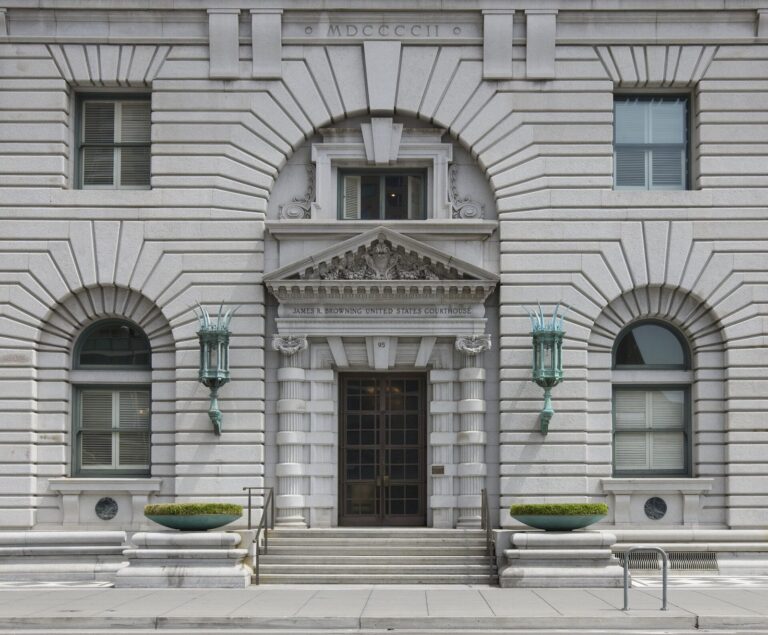
Where this sits: U.S. District Court for the District of Columbia, Oct. 27, 2026; grand jury heard evidence in early October, per NBC.
What questions the legacy media missed
What was the charge? Most headlines report a failure without telling readers what DOJ alleged. “Fails to indict” lands as a verdict on motive; the evidence the grand jury weighed has not been seen.
“Trump critic” as the identifier: CBS and others lead with her political role. The legal question is narrower: did she knowingly make a false statement to Congress? Both the label and the prosecution can be scrutinized at once.
The record cuts both ways: The 2024 driver transcript is real evidence against the steering-wheel story, and few of today’s write-ups explain it. It also does not show Hutchinson invented the account rather than repeating what she was told.
Pattern claims need cases, not adjectives: AP called it the “latest setback” in efforts to charge “perceived adversaries.” A pattern argument is fair to make — but it is stronger when each case’s instrument, judge, and outcome are listed, not summarized.
 Byadmin